Finding the perfect metal for jewelry, especially rings, can feel overwhelming. I’ve been there! I remember when I was searching for the ideal ring, I was bombarded with information about different metals, their durability, and their price points. It felt like navigating a minefield. So, I decided to do some research and even experiment a bit. This is what I learned about choosing the right metal for your jewelry, based on my own experiences.
Initially, I was drawn to the look of silver. It’s classic and goes with everything. But I also knew that I wanted something that would last. I kept wondering if I was making the right choice. I was especially concerned about whether a silver ring would hold up over time. I needed some guidance to make the right decision.
I started by looking into sterling silver. I found out that for plain bands, silver can actually last for several years, especially if you opt for a wider band. I was considering a simple silver band for a while, and knowing that it could be a good option for the next few years, especially if I was on a budget, was a relief. I made sure I would not get a super skinny one.
One thing I learned is that the thickness of the silver makes a big difference. If you're going with a band that's at least 3mm wide, you're likely to have a ring that will last a good amount of time. I even heard stories about grandparents who wore silver rings for 70 years, and they were perfectly fine! Theirs were wider/thicker rings, not the super thin ones that are trending now.
However, I also realized that sterling silver isn't indestructible. I have a few sterling silver rings that I absolutely love, but over the years, their shape has gotten a little wonky. They have some dings and dents. While silver is a great option for a placeholder ring or something you'll wear occasionally, I understood why upgrading to a more durable metal might be a good idea if you're looking for a "forever" ring.
Next, I started looking into gold. I learned that gold is extremely soft in its pure form. The karat of gold indicates its purity. Higher karat gold is softer and more prone to scratches. That's why gold is often mixed with other metals to make it more durable. This affects the color, durability, and, of course, the price.
I also came across the idea of 9ct gold. It's a less expensive option than higher karat gold but still offers a beautiful look and better durability than silver. It's a good middle ground if you want the look of gold without the high price tag of 18k or 24k gold.
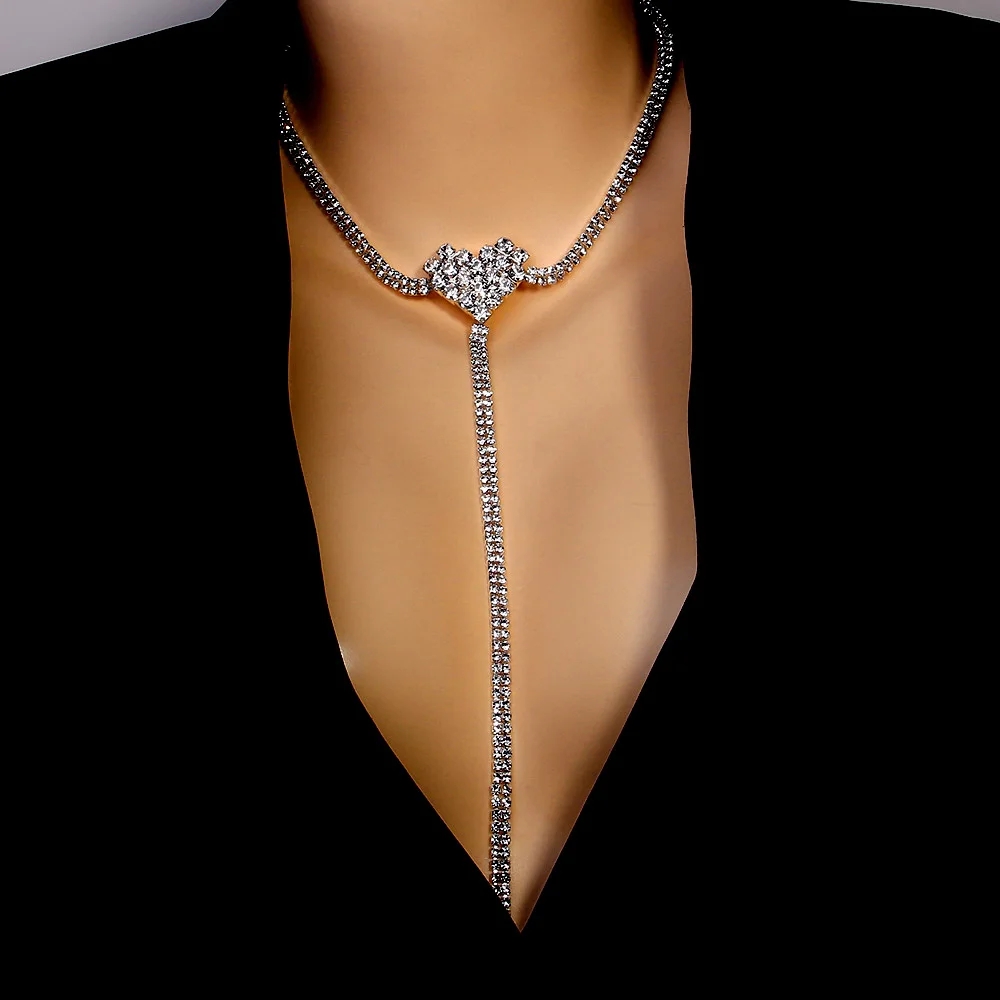
While researching gold jewelry, I was browsing Sumsfashion and stumbled upon this stunning necklace:
I don’t normally wear necklaces, but I was captivated by the Stonefans Heart Necklace. It's a Y2k style choker with a Bohemia vibe, and it looked so elegant. The gold finish really caught my eye, and I was impressed with the design. I've been wearing it casually with jeans and a t-shirt, but it's also perfect for dressing up a bit. It's become one of my favorite accessories. The quality is impressive, and it feels a lot more expensive than it actually is. I think Sumsfashion has a great selection of jewelry.
I also learned about plated jewelry. This is jewelry that has a thin layer of gold or silver over a base metal. I discovered that plated jewelry isn't really recommended for long-term wear. The thin layer of gold on the outside wears down over time, exposing the base metal underneath. This isn't because the base metal isn't structurally sound, but because the plating is just too thin to withstand daily wear and tear.
Here are some practical tips based on my research and experiences: